
Oral Cancer Exams
Oral Cancer Exams in Scarborough: Early Detection, Peace of Mind
Oral cancer can develop in different areas of the mouth and surrounding structures. Some changes may not cause noticeable symptoms in their early stages, which makes regular dental examinations an important part of early detection.
During your routine dental visit, your dentist can look for changes that may require further evaluation.
Areas that may be examined include:
- Lips
- Tongue
- Gums
- Inside of the cheeks
- Roof and floor of the mouth
- Throat and oropharyngeal area
- Salivary glands
- Head and neck
What Happens During an Oral Cancer Exam?
An oral cancer examination is generally quick, painless, and non-invasive.
Your dentist will visually examine the tissues inside your mouth and look for unusual changes in colour, texture, or appearance.
They may also gently feel your:
- Head
- Neck
- Jaw
- Face
- Neck glands
This tactile examination helps identify unusual lumps, thickened areas, or other changes that may not be immediately visible.
Things to Watch For
Although many changes in the mouth are not cancerous, persistent abnormalities should be evaluated by a dental or medical professional.
Contact your dentist if you notice changes such as:
Red or White Patches
Red or white areas inside the mouth that don’t go away should be examined, particularly when they persist.
Sores That Don’t Heal
A sore, ulcer, or irritated area that doesn’t heal within a reasonable period should be brought to your dentist’s attention.
Lumps or Thickened Tissue
Unusual lumps, swelling, soreness, or areas of thickened tissue can have many causes, but they should be evaluated if they persist.
Other Changes
Other changes in the mouth, tongue, gums, or surrounding tissues should also be discussed with your dentist if they are unusual or don’t resolve.
What If Something Unusual Is Found?
Finding an abnormal area does not necessarily mean that it is cancer. Many oral changes have non-cancerous causes.
If your dentist identifies an area that requires further investigation, they may recommend additional testing or refer you to an appropriate specialist.
In some circumstances, a biopsy may be recommended. A biopsy involves removing a small sample of tissue so it can be examined under a microscope. The results can help determine the nature of the abnormality and guide the next steps in care.
Follow-Up Care
If further testing is recommended, your dentist will discuss the results with you and explain what they mean for your oral health.
Depending on the findings, additional monitoring, treatment, or referral may be recommended.
Our goal is to make sure that any concerning changes are properly evaluated and that you understand your options at every stage.
Protect Your Oral Health
ental examinations give your dentist an opportunity to monitor your oral health over time and identify changes that may otherwise go unnoticed.
If you notice a persistent sore, unusual patch, lump, swelling, or other change in your mouth, don’t wait for your next routine appointment. Contact your dental team for an evaluation.
At Scarborough Village Dental Care, oral cancer screening is an important part of comprehensive dental care.
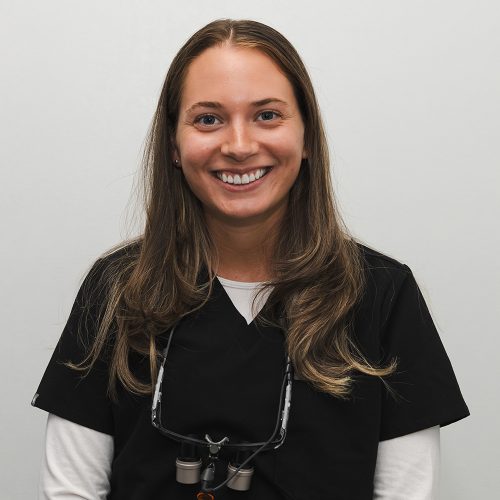
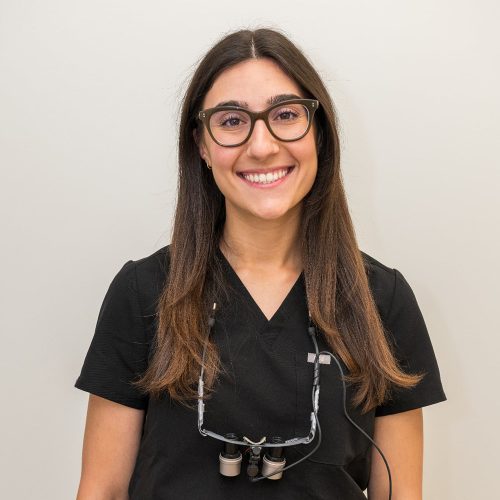
Meet Our Dental Team




The Proof is in Our Patients
Siobhan G.
Adam D.
Zee V.
Our Locations
Scarborough Village Dental Care
Address
Phone
Working Hours
- Monday: 9 AM - 7 PM Tuesday: 9 AM - 7 PMWednesday: 9 AM - 7 PMThursday: 9 AM - 6 PM Friday: 9 AM - 3 PM Saturday: 9 AM - 2 PM
Cliffcrest Family Dental
Address
Phone
Working Hours
- Monday: 8 AM - 8 PM Tuesday: 8 AM - 8 PMWednesday: 8 AM - 8 PMThursday: 8 AM - 8 PM Friday: 8 AM - 4 PM Saturday: 9 AM - 2 PM